Why Social Media Feels Overwhelming
Behind every scroll on social media is an algorithm deciding what you should see next. These algorithms track your behavior and monitor the content you engage with. They then prioritize posts that are most likely to keep you hooked, often by pushing emotionally intense content. This is why your feed can start to feel overwhelming, repetitive, or hard to step away from. Over time, this doesn’t just affect what you see; it also shapes how you feel and how you understand what’s happening in the world. In this blog, I’ll break down how these algorithms work and why your feed feels the way it does.
1: Why emotional content is prioritized?
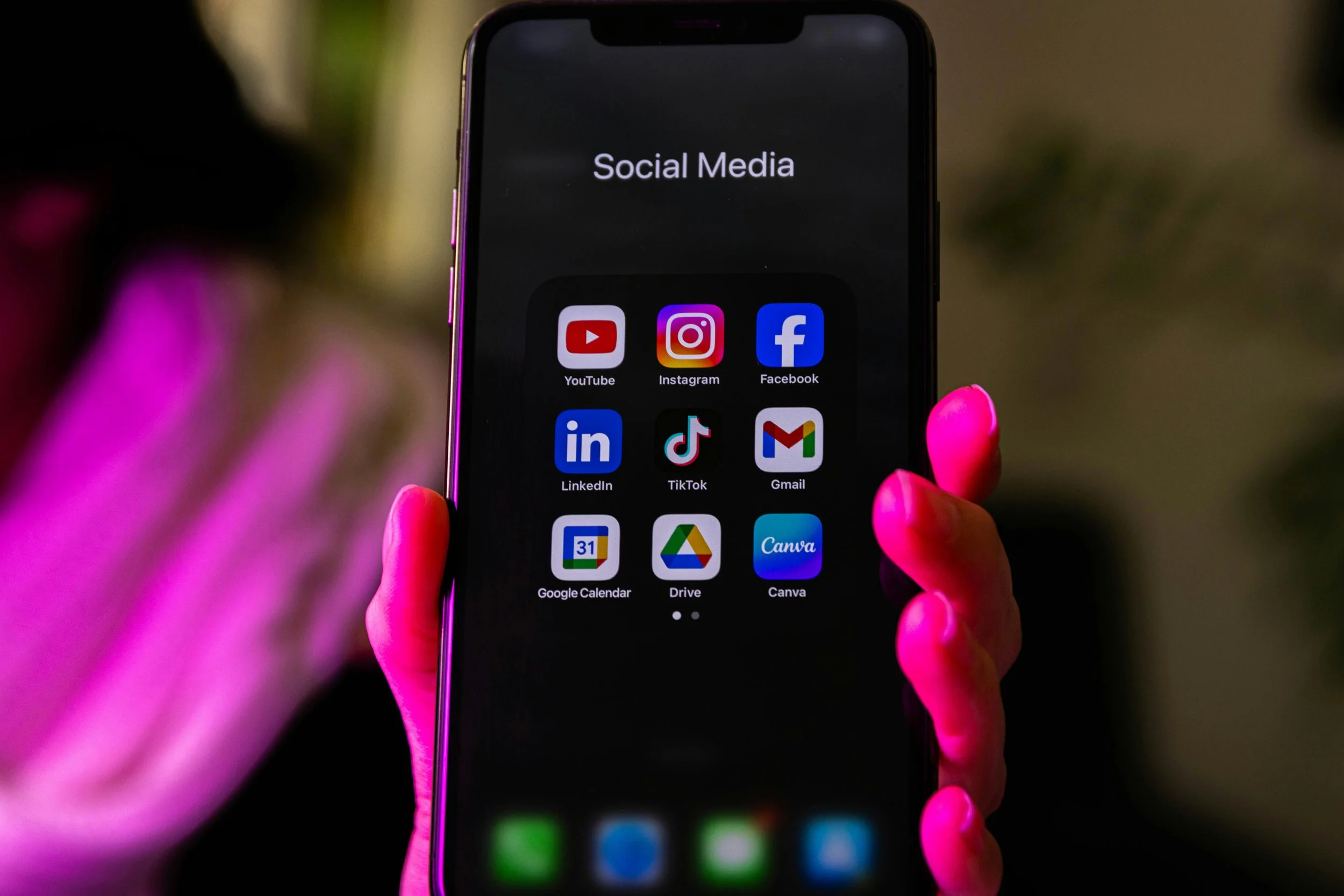
Image source: Unsplash
Image source: Pexels
First, let me explain what algorithms are. A simple definition from the Stanford Institute for Human-Centered AI describes algorithms as step-by-step instructions used to solve problems or complete tasks. On social media, they process user data to decide what content to show.
They take inputs like user behavior and produce outputs such as personalized recommendations.
Some algorithms follow fixed rules, while others learn patterns over time through machine learning.
Research from the Stanford Institute for Human-Centered AI shows that negative and emotionally intense posts are more likely to spread widely on social media because users are more likely to interact with them. In a study analyzing nearly 30 million posts, researchers found that content expressing emotions like anger, fear, and anxiety received more engagement and was more likely to go viral.
In the early 2000s, advertising was mostly done through TV commercials, newspapers, and billboards, and it was not personalized to individual users. Today, platforms use large amounts of user data to target both ads and content. Similarly, the content shown in your feed is tailored to what you are most likely to click on and engage with.
Since social media companies rely heavily on advertising revenue, their algorithms are designed to maximize engagement. Because emotional content gets more interaction, it is prioritized over neutral posts. Over time, this leads to feeds that feel more intense and harder to step away from.
2: Doomscrolling behavior
Research from American University explains that doomscrolling is not just a habit, but a compulsive behavior where people continue scrolling even when it makes them feel worse. One reason for this is the gap between “wanting” and “liking,” where users feel the urge to keep scrolling but do not actually enjoy the experience.
In my opinion this behavior is closely linked to how social media algorithms work. As users interact with content, algorithms learn their preferences and continue to recommend similar posts that are likely to keep them engaged. Content recommendations make it easy to keep going without stopping and most of the time users end up spending a lot of their valuable time. This is combined with intermittent rewards, where users occasionally find something interesting or satisfying, this creates a cycle where people keep scrolling in search of relief but often end up feeling more anxious. Over time, the algorithm reinforces this behavior, making scrolling feel automatic and difficult to control.
Image source: Unsplash
3: How algorithms shape perception
Algorithms have a much bigger impact on people’s lives than we often realize. They do not just increase engagement for social media companies. They decide what users see online, which shapes how people understand the world. In my opinion, searching for information is more useful than relying on recommended content because feeds are not neutral.
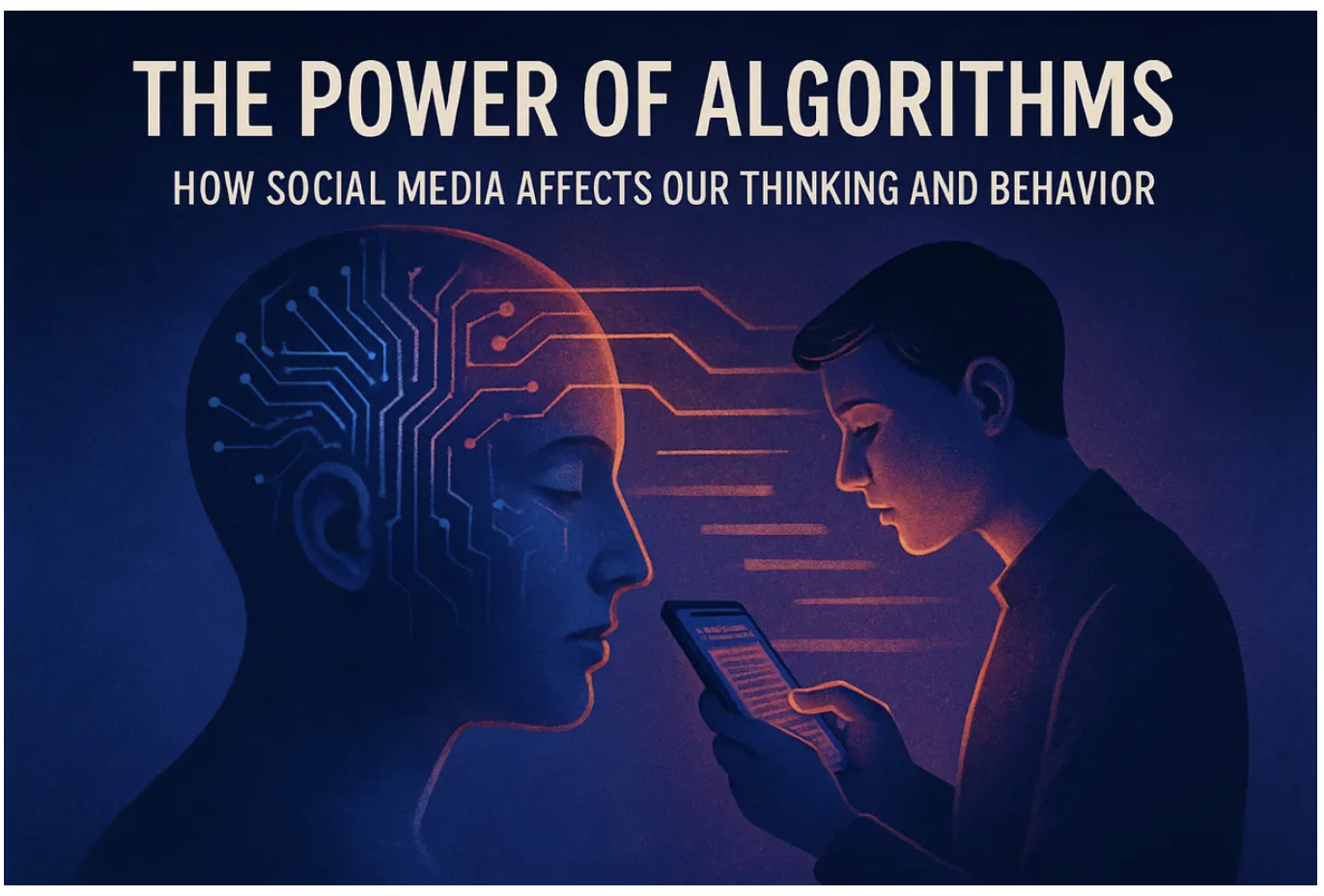
Image source: Medium
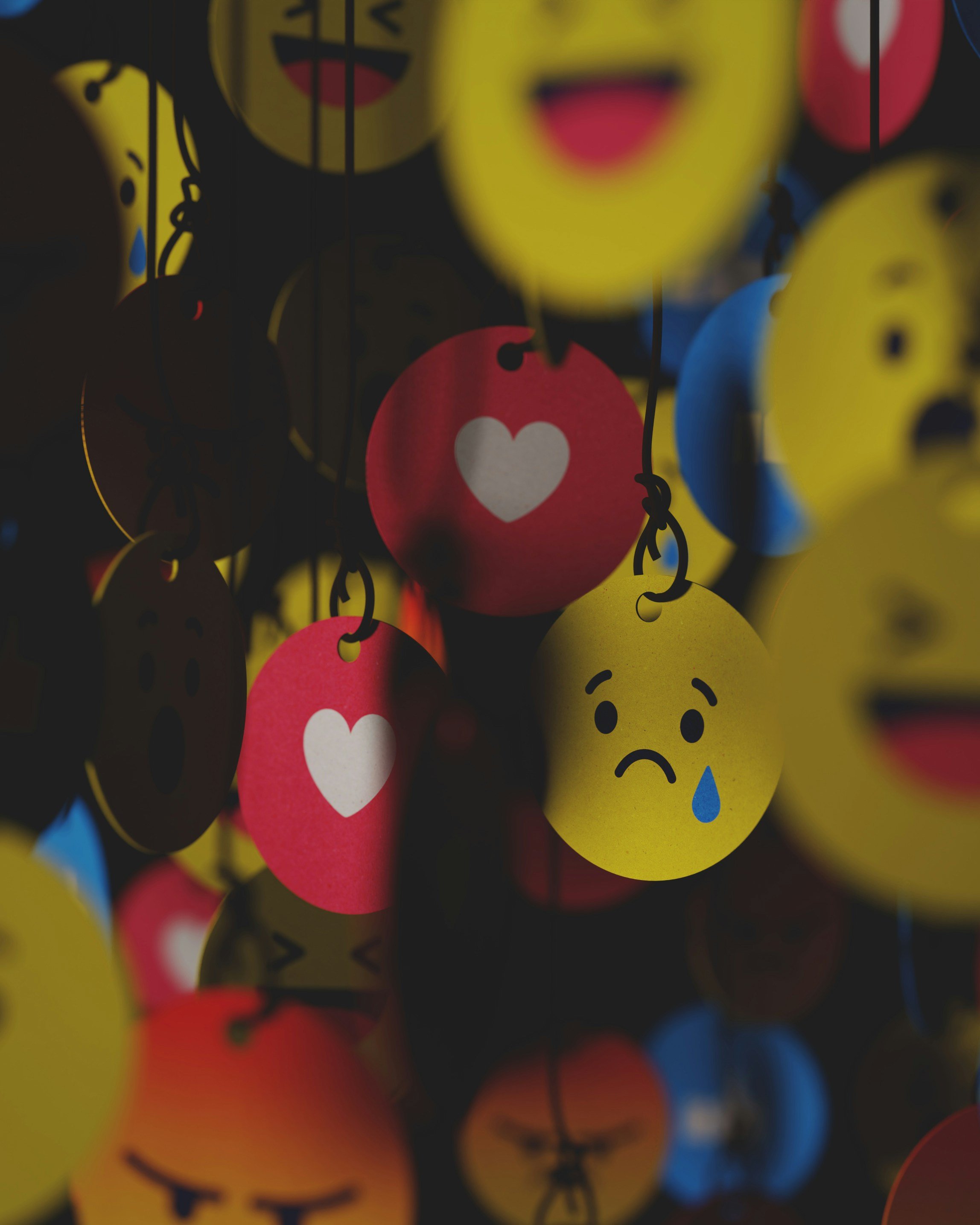
Image source: Unsplash
According to Scientific American, algorithms control what users see by selecting posts, people, and ideas in their feed. These systems are designed to maximize engagement, so they prioritize content that keeps users scrolling. Because of this, they often push emotional and reaction driven content. Posts that create outrage or strong reactions in people are more likely to be shared.
Over time, this can make extreme opinions seem more common than they actually are. This leads to a distorted view of reality, known as false polarization.
A report by Amnesty International shows how algorithms can amplify harmful content in real world situations. During the 2017 crisis in Myanmar, Facebook’s algorithms promoted large amounts of anti Rohingya content, which increased hatred and contributed to violence . When emotional and harmful content is prioritized, it spreads faster and reaches more people. As a result, algorithms do not just influence what users see. They can shape beliefs, increase division, and in extreme cases contribute to real world harm.
4: Mental + emotional impact

Image source: The New York Times

Image source: Unsplash

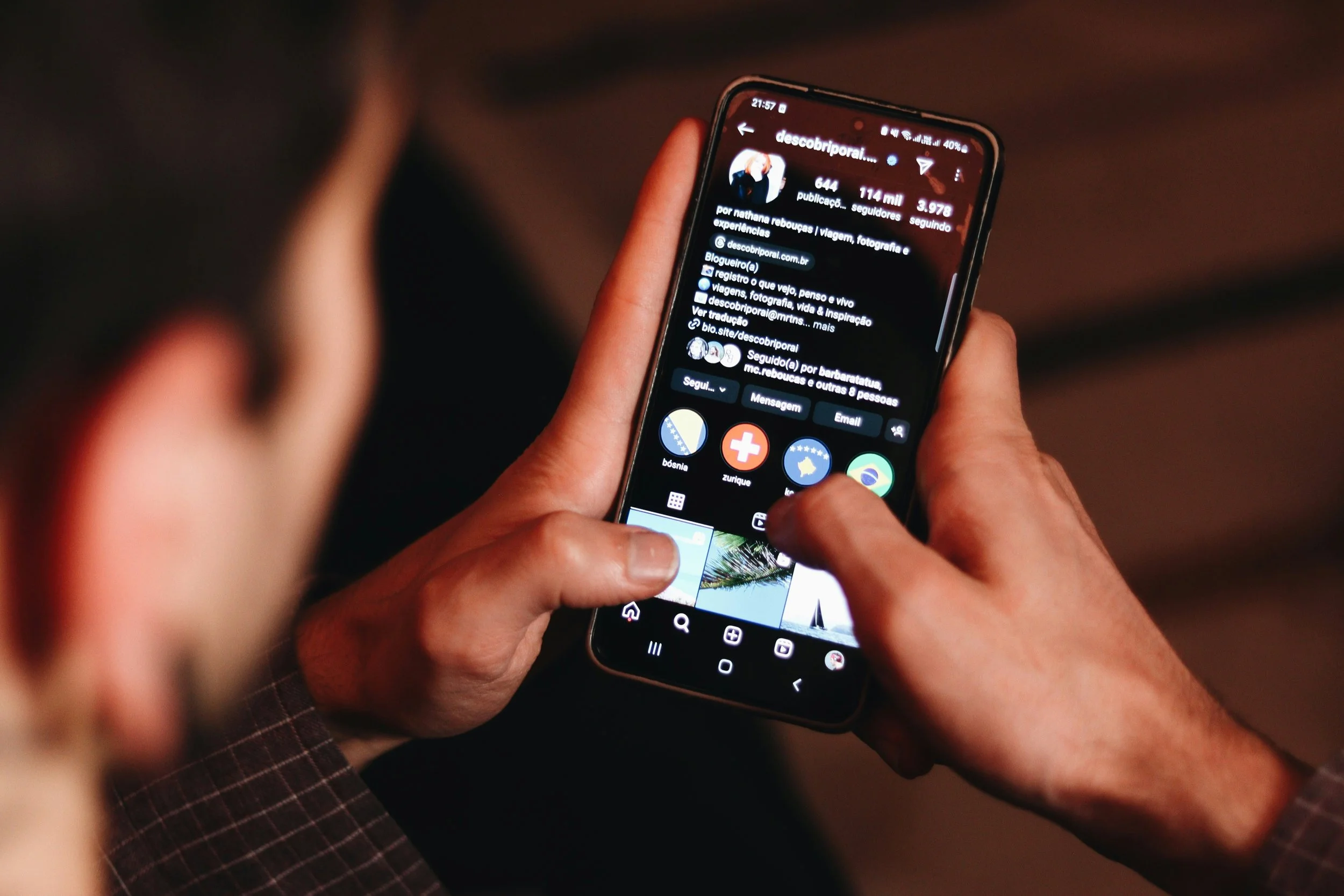
After understanding how algorithms push emotional content and shape what we see, it is important for us to also look at how this affects users’ mental health. According to reporting in The New York Times, internal research from Facebook found that Instagram made some teenage girls feel worse about their bodies and contributed to increased levels of anxiety and depression. Users can be exposed to harmful material very quickly.
For example, in The New York Times article, it shows that within 24 hours of creating an account, some young users were shown content related to eating disorders, extreme dieting, body shaming, and even self-harm . When algorithms continue to recommend similar content based on what users engage with, this exposure becomes repetitive. Over time, this can negatively affect how users feel about themselves and lead to stress, insecurity, and feeling overwhelmed after long periods of scrolling.
5: Awareness and takeaway
For people between the ages of 15 to 35 who are actively using social media every day, it is important to realize that your feed is not random. It is designed to keep you engaged by showing content based on your behavior and past activity. Social media is not completely bad, but it is highly addictive, and most users fall into the habit of scrolling without thinking about whether the content is actually needed.
In my opinion, one of the biggest changes people can make is to be more intentional with how they use social media platforms. Instead of relying only on recommended content, it is better to search for information when you actually need it. Simple habits like limiting short-form content can also help reduce the amount of time spent scrolling.
From personal experience, it is easy to feel overwhelmed and drained after spending too much time on these platforms, especially with short form videos. Being in control of social media means using it when needed, not constantly consuming whatever is shown to you. Once you understand how algorithms are encouraging you to stay longer and consume more, it becomes easier to step back and make better decisions about how you spend your time.