Media Diary
March 28
For Blog Assignment 1, I tracked my media usage over a 24-hour period from March 28 to March 29.
8:00 p.m. – Watched a video on YouTube from CNN. The topic was about Meta and YouTube being held liable for social media addiction, discussing how both companies are on trial.
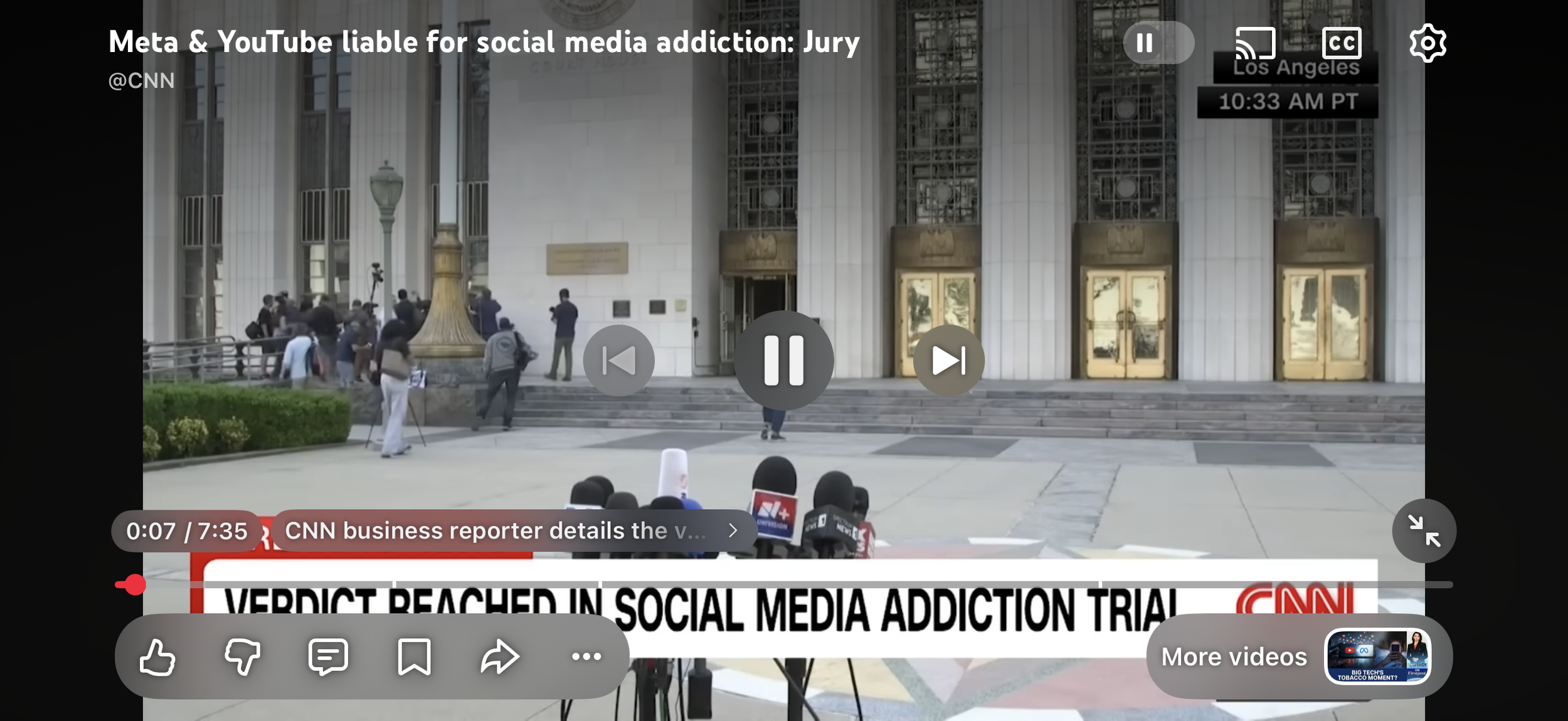
https://youtu.be/iwPbm2To4Qw?si=STEyDdqj4W4X8T2s
9:30 p.m. – Watched a YouTube video from Forbes featuring Bernie Sanders. The topic focused on “Tech Oligarchs and how AI will replace jobs.”
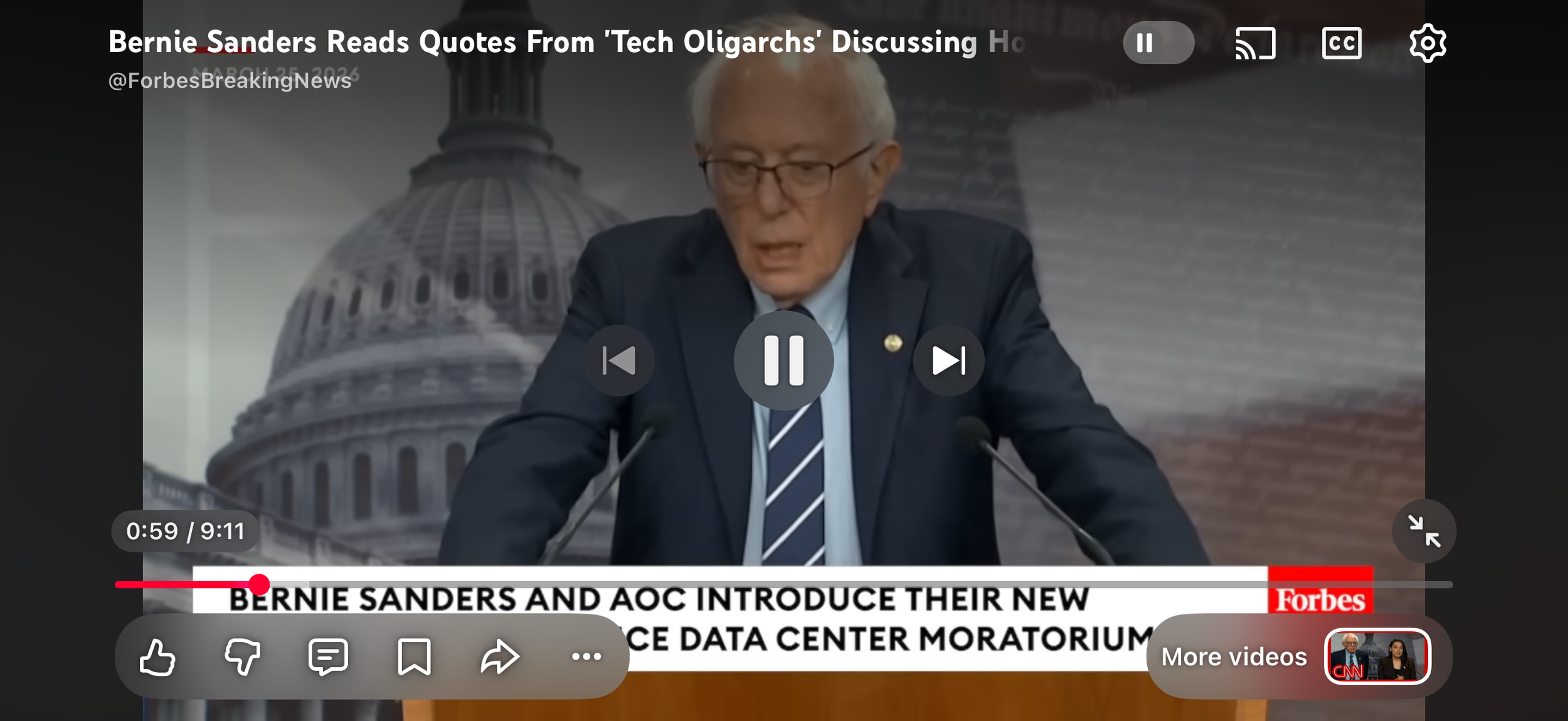
https://youtu.be/L3NcifhhMu4?si=tNHoi7DUcp8wHsAr
March 29
10:00 a.m. – Woke up and checked emails on my phone. Watched part of a podcast from Silicon Valley Girl featuring Gary Vaynerchuk. The topic was “The AI opportunity is real.”
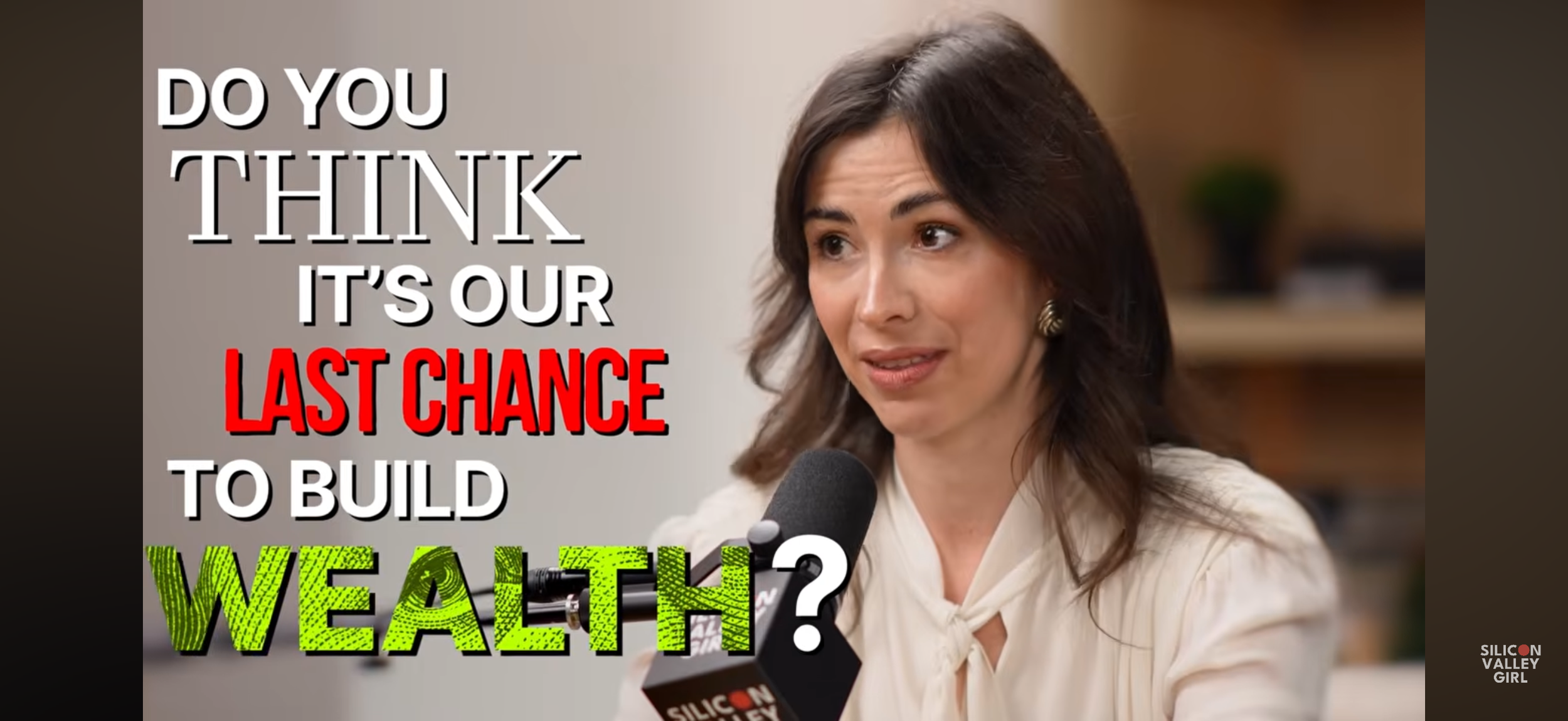
https://youtu.be/4vIIeCqHYXA?si=17LbIdD5p2Ec5o5p
11:20 a.m. – Got ready and made breakfast.
11:30 a.m. – Checked emails and my Discord app. Saw an email from Medium Daily Digest but did not open it.
11:59 a.m. – Opened YouTube and saw a post by StratNewsGlobal. The subject was about Foreign Minister S. Jaishankarmeeting Faisal bin Farhan on the sidelines of the G7 foreign ministers’ meeting.
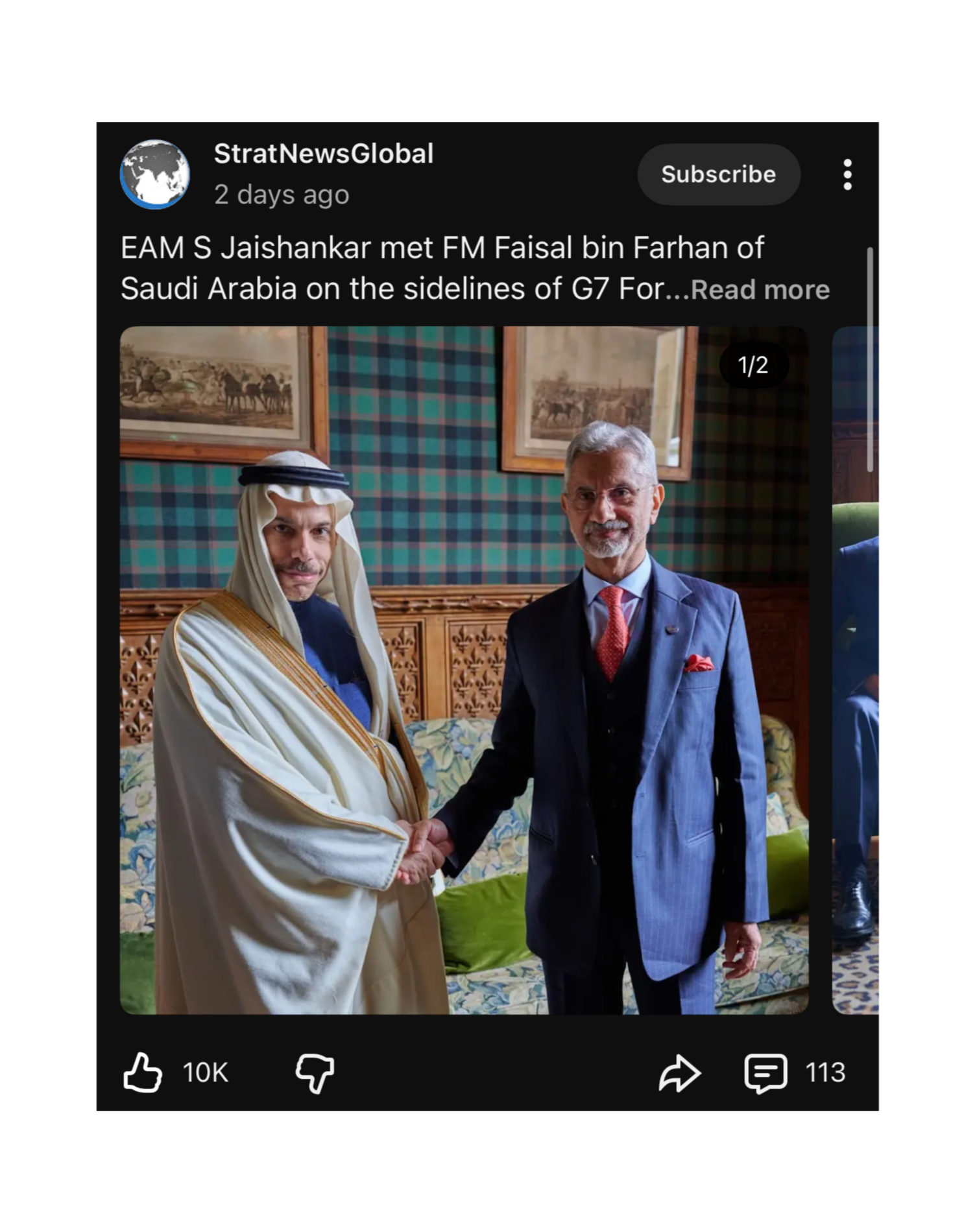
http://youtube.com/post/UgkxnZXRcyN9eF_hhJFrOOSb-LQYtAIFZyBB?si=91v38oZNE8-CgQkR
12:00 p.m. – Scrolling on YouTube and came across an ad from Reddit.
12:20 p.m. – Worked on my LinkedIn profile and spent about one hour on LinkedIn searching for job opportunities.
2:00 p.m. – Watched a 7-minute video from Fox News. The topic covered questions about special forces and “boots on the ground,” including a video playback of Marco Rubio discussing the conflict in Iran.

https://youtu.be/gQFARll8Q3o?si=1-F8CnuzdNSdExKH
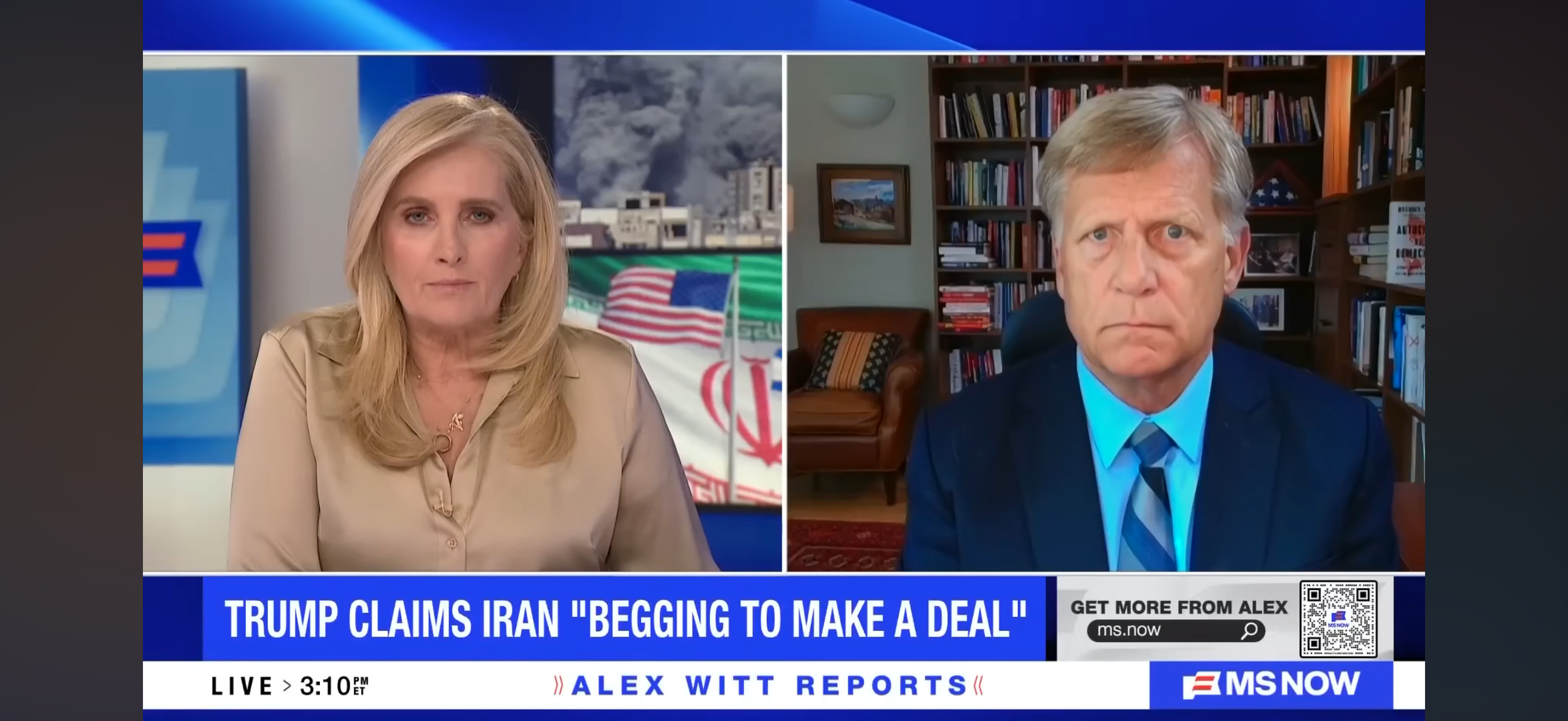
2:30 p.m. – Watched a YouTube video from MS NOW. The topic discussed the possibility of U.S. troops on Iranian soil.
https://youtu.be/R7woRRBTMHs?si=9j4bfDAEPajXwcOX
3:00 p.m. – Checked emails and continued working on LinkedIn networking for about two hours. Came across a post from iXperience about internship opportunities and read through it.
3:10 p.m. – While scrolling on YouTube, I came across a video from Fox News about Houthis launching missiles at Israel for the first time. I briefly watched it.

https://youtu.be/fidNGMXz5wI?si=AKFPbMY-GZhVcq-f
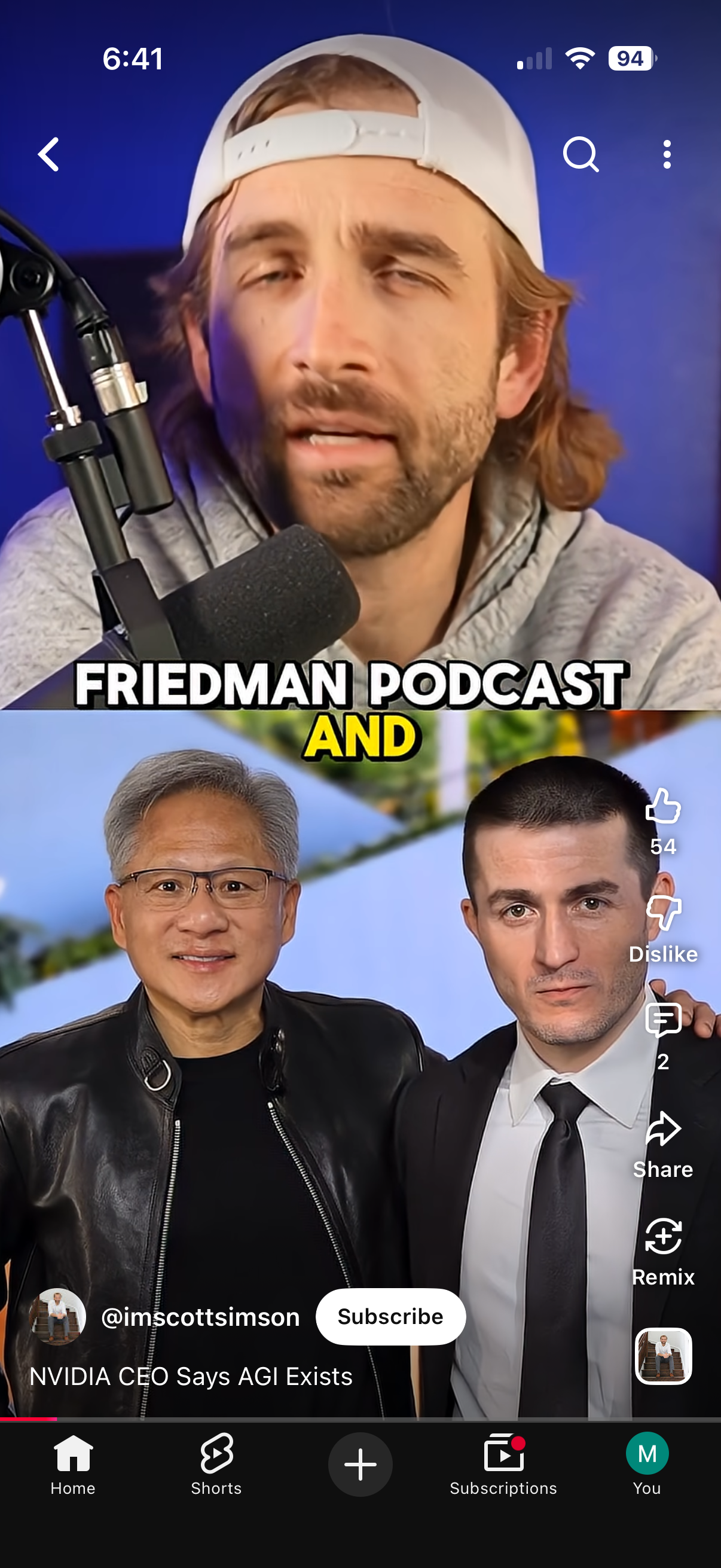
6:41 p.m. – Scrolling on YouTube Shorts, I came across a short video from a random channel named “@Imsottsimson” reviewing a podcast by Lex Fridman featuring Jensen Huang. I watched a few seconds but scrolled past because I was unsure about the credibility and accuracy of the opinion.
https://youtube.com/shorts/bT4sc2YOngM?si=IBPUUVC_sjQstdtU
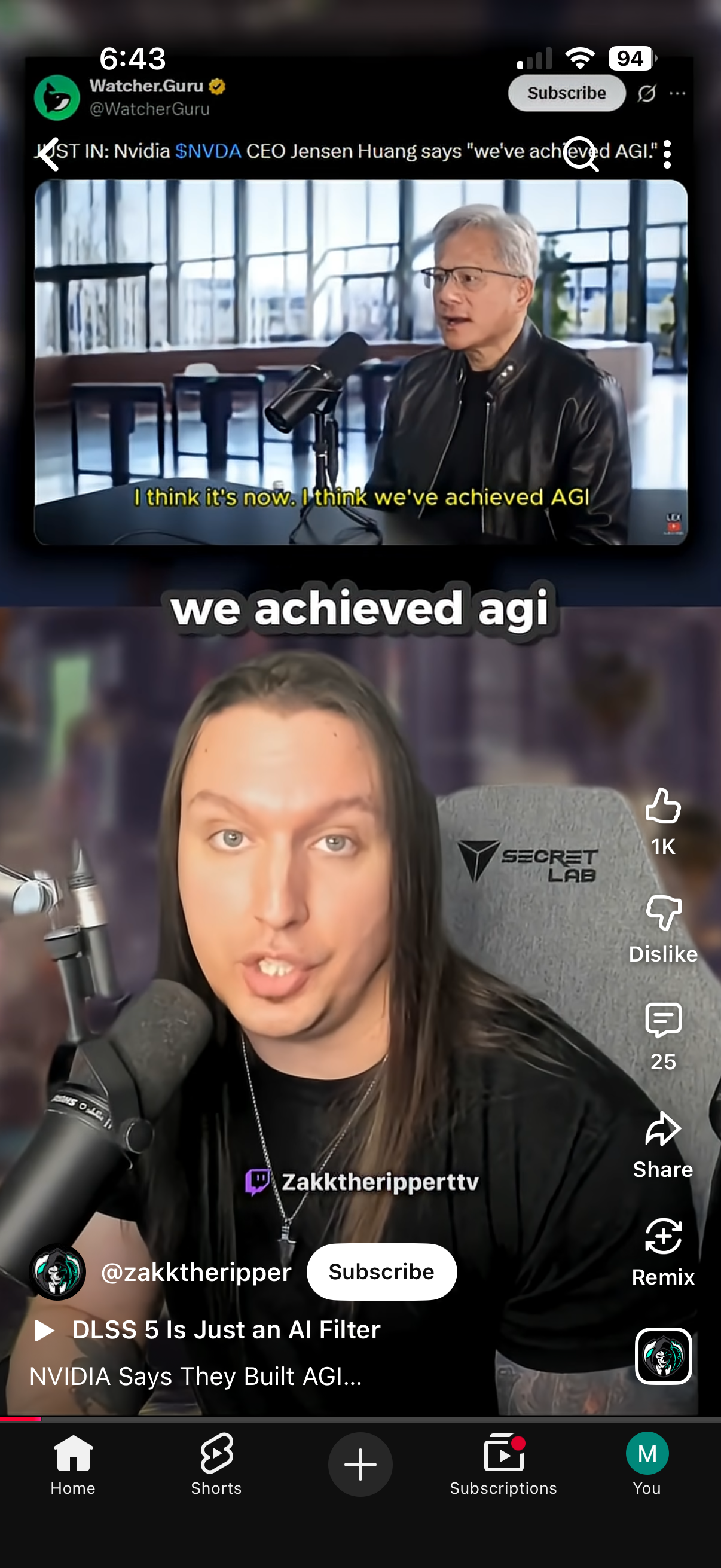
6:43 p.m. – Came across another short video from an unknown channel named “@zakktheripper” discussing Jensen Huang and AGI timelines. Again, I was unsure about the credibility of the source and chose not to engage further.
https://youtube.com/shorts/EbcG-w64w0I?si=-5DiDDqzqKjsOd8d
7:00 p.m. – Had an evening snack with tea.
8:32 p.m. – Went to Barnes & Noble to buy a journal, but it was closed, so I returned home.
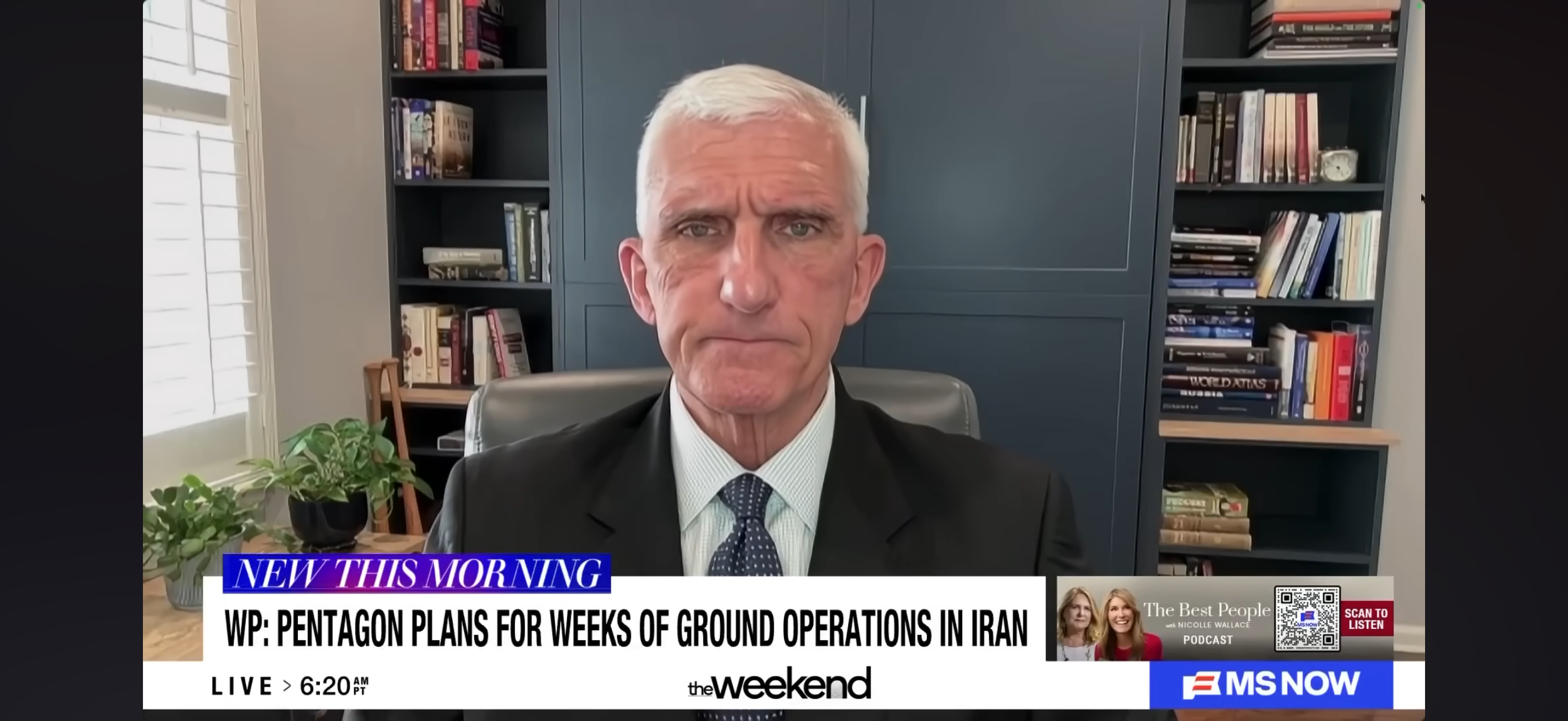
10:00 p.m. – Checked my emails, social media, and watched a video from MS NOW where retired Army commander Lieutenant General Mark Hertling shared his views on the war.
https://youtu.be/QWnj_VePoaI?si=M0kSI9H7kJIrPf_E
Media Diary Summary:
Over the 24 hour period, most of my media consumption was on YouTube, email, and LinkedIn. A lot of the content I saw was related to news, especially geopolitics, tech, and AI. I was not sitting and watching for long periods. It was more short sessions throughout the day, mostly scrolling and clicking into some videos.
One clear pattern was how much of my content came from YouTube’s algorithm. I saw videos from major news sources like CNN, Fox News, and MSNBC, but also a lot of random short videos from unknown creators. The information in those videos lacked clear authority and often seemed like personal or inaccurate opinions. This mix made it harder to immediately tell what is reliable and what is not.
The most questionable content I came across was on YouTube Shorts. I saw a few clips where random channels were talking about AI, AGI timelines, and even summarizing a podcast by Lex Fridman with Jensen Huang. These videos looked informative at first, but they seemed inaccurate. It felt more like opinion than actual information. Because of that, I chose to scroll past instead of trusting it.
I understand that different media outlets present news in different tones, which is why I try to diversify my news consumption. For example, topics about U.S. involvement in Iran were covered by multiple outlets, but the tone and framing were not always the same. Even though sources like Fox News, Forbes, and CNN are established, they still present information in different ways.
For fact checking, I mainly relied on comparing information across different sources. I also tried to verify claims made by random YouTube videos about AGI by looking at the original podcast by Lex Fridman. The information in the original source was not conveyed in the same way as it was in some of the YouTube Shorts, which made those shorts seem misleading. If multiple well-known outlets were reporting the same thing, it felt more reliable. If the content came from a random creator with no clear source, I did not trust it.
Overall, I saw more questionable content than I expected, especially in short form videos. Most of it came from unknown creators, not major platforms. I also noticed that I naturally question content more when it makes strong claims, especially about AI or the future.
This activity made me more aware of how much unverified content I come across daily and how much of my time is spent on short videos on YouTube. I realized how easy it is to waste time and not learn anything useful when scrolling through YouTube Shorts. It also showed me that I need to be more intentional about what I consume, especially when content looks polished but has no real evidence behind it.